What do we actually mean by “good” charcuterie?
The definition of good charcuterie is not fixed. It is shaped by culture, familiarity and proximity to the product.
In parts of Europe, quality is widely understood. Generations of production and consumption have created a shared standard. People recognise it instinctively because it is embedded in everyday life.
In Britain, the context is different. Rather than inheriting a fixed definition, there is an opportunity to establish one. That process is already underway, driven by chefs, producers and a more engaged audience. As a result, expectations are evolving quickly and with increasing clarity.
What gives British charcuterie its strength?
The starting point is not the curing room. It is the field.
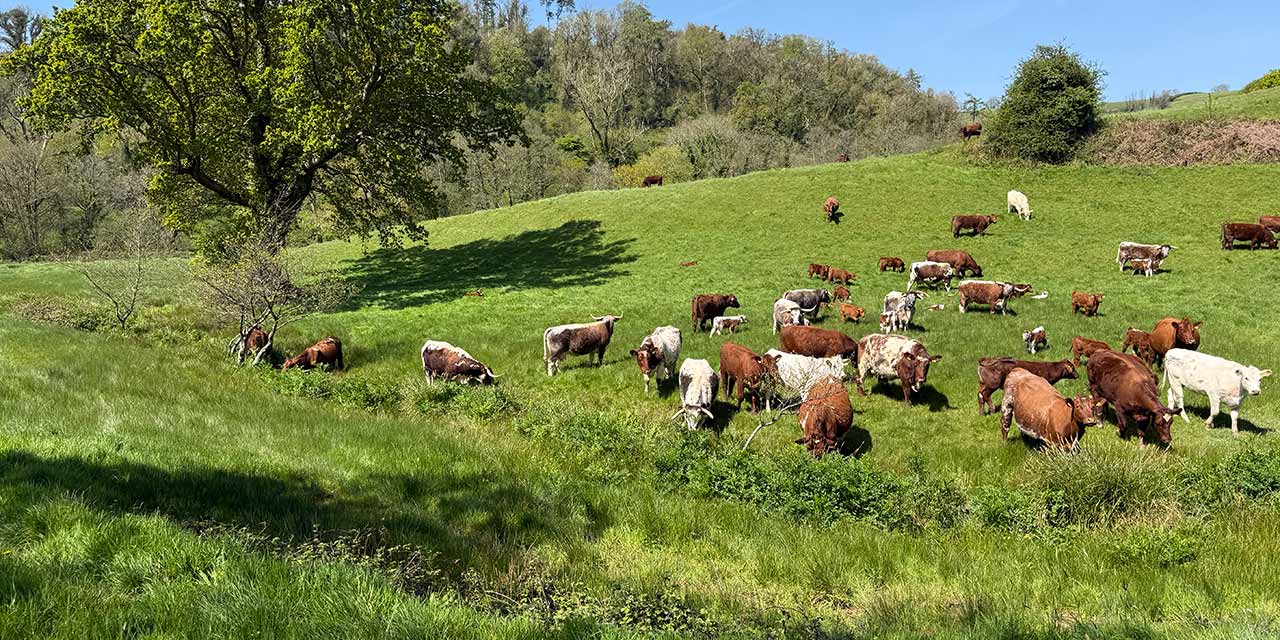
Britain has a strong agricultural foundation, with deep knowledge of breeds, systems and land management. While elements of this were diluted during the rise of industrial farming, that knowledge remains and is increasingly being refined, particularly through regenerative and high-welfare approaches.
Charcuterie amplifies what it begins with. When the raw material is of a high standard, the end product reflects it. British agriculture, at its best, produces meat with character, depth and integrity. This provides a strong foundation for the category.
Can quality be recognised before tasting?
There is a visual language to food that remains widely understood.
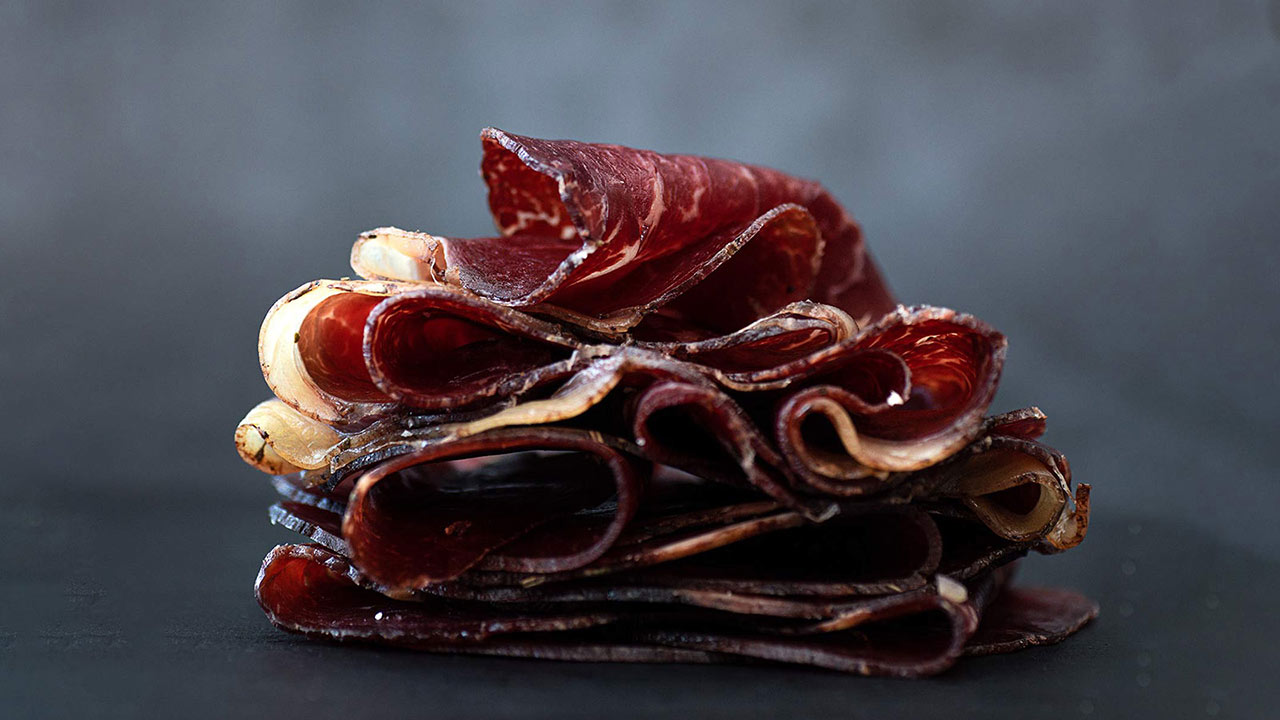
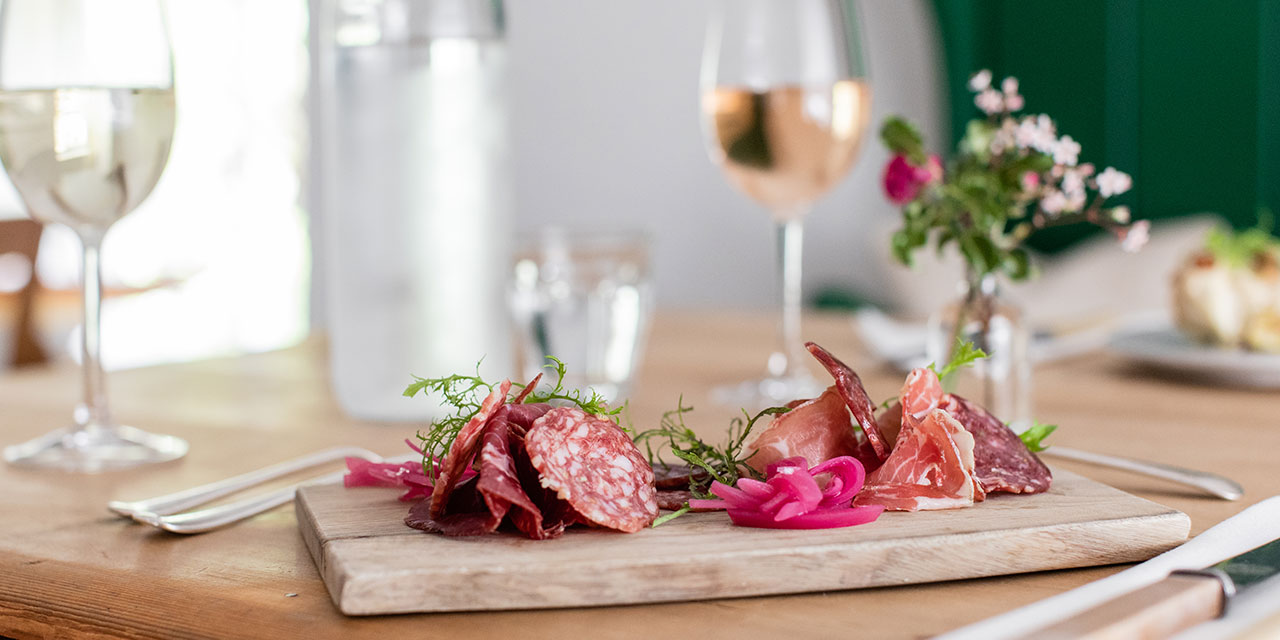
Colour, marbling, fat distribution and structure all provide signals. These are not always interpreted in technical terms, but they are recognised intuitively. A well-balanced salami or a properly developed cut of meat communicates something immediately.
When visual cues and flavour align, the result is clear. It reflects consistency across farming, processing and maturation. That alignment is not accidental. It is the outcome of decisions made at every stage.
What creates good charcuterie?
Good charcuterie is the result of multiple elements working together.
It begins with the animal and how it has been raised. It continues through fermentation, curing and ageing, each requiring control and understanding. Alongside this, visual indicators confirm that the process is developing as intended. Finally, taste determines whether the outcome meets expectation.
When these elements align, there is a direct relationship between producer and consumer. The product delivers exactly what it signals.
Why is British charcuterie in a strong position?
British charcuterie is not defined by replication. It draws on established European techniques while applying them within a British agricultural context.
This creates a distinct position. There is closer visibility of provenance, a shorter distance between farm and finished product, and a willingness to question process rather than repeat it without scrutiny.
As the category develops, its strength lies in this clarity of intent and its connection to source.
What role do aesthetics play?

Aesthetics are indicators of process.
During fermentation, colour develops as the product stabilises. As maturation progresses, white mould forms externally, signalling a controlled preservation environment. When the product is ready, texture, structure and surface oils all reflect the internal breakdown of the meat.
At this stage, appearance and flavour are aligned. Visual cues are not decorative. They are functional markers of quality.
How does farming influence the end product?
Farming sets the parameters for what is possible.
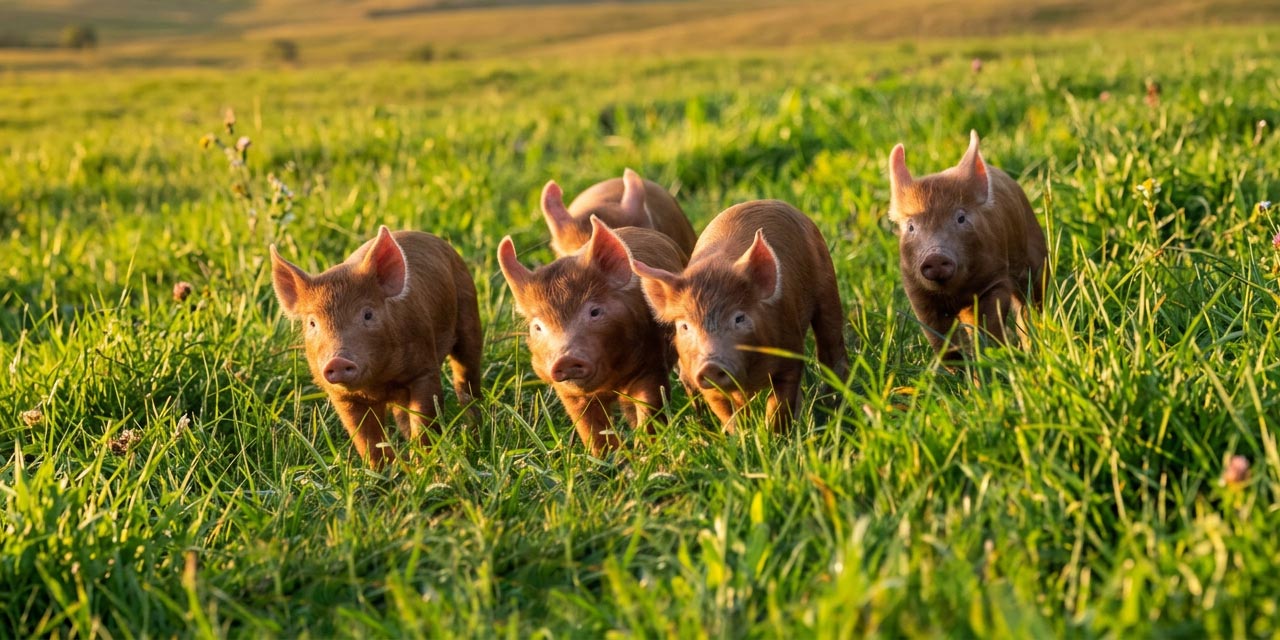
Animals must be allowed to reach a level of maturity where flavour, fat development and structure are fully realised. For example, marbling in beef develops over time. If growth is accelerated, that development is limited.
This principle applies across species. Without sufficient time and appropriate conditions, the potential of the raw material is reduced. The curing process cannot compensate for this. It can only work with what is present.
Why does low intervention matter?
Low intervention is often misunderstood. It does not mean minimal input. It means precise input.
The role of curing, fermentation and ageing is to reveal and concentrate the inherent qualities of the meat. When the raw material is strong, the process should enhance it, not obscure it.
The outcome should remain recognisable. The finished product should retain a clear link to its origin, with flavour that reflects the quality of the source.
Can the category scale without losing identity?
There is scope for growth at multiple levels without compromising standards.
Products can exist across different price points and formats, provided they remain rooted in consistent sourcing and production principles. Wider availability does not inherently dilute quality. It can extend it, allowing more people to engage with the category.
The critical factor is maintaining a clear connection to origin and process as scale increases.
So, what makes good charcuterie?
Good charcuterie is the point at which farming, process, appearance and flavour are aligned.
It reflects the decisions made throughout the supply chain, from land management through to final maturation. When these elements are consistent, the result is clear and recognisable.
It carries a sense of origin, method and intent that does not require explanation.
Where is British charcuterie heading?
British charcuterie is defined by what it is building.
It draws on strong agricultural foundations, a growing understanding of process and an increasingly engaged audience. As these elements converge, the category continues to establish its own standards and identity.
That development is ongoing, but it is grounded in substance. And that provides a strong basis for long-term growth.

More ideas worth sharing
Explore our latest thoughts on craft and tradition

Built for retail and hospitality
We work with retailers and hospitality venues who value quality, consistency and British sourcing.
Our products are designed to perform on shelf and on menu, supported by incredible supply and disciplined production.